Emergency Response Planning for Buildings With Disabled Fire Protection Systems in Colorado
@denverfirealarms446
October 20, 2026 · 15 min read
A disabled fire protection system changes the risk profile of a building immediately. That is true whether the issue is a silent fire alarm panel, an offline sprinkler riser, a failed fire pump, a backflow device that has not passed testing, or a suppression system that has been taken out of service during renovation. In Colorado, and especially across the Denver metro area, owners and managers cannot treat those moments as routine maintenance hiccups. They need a clear emergency response plan, fast communication, and solid documentation.
I have seen the difference between a building that planned for an impairment and one that tried to improvise. In the first case, the property team knew who to call, the tenants got a plain-language notice within minutes, the affected area was controlled, and the repair contractor already had the service history. In the second, nobody was sure whether the issue was a trouble signal or a full shutdown, the night staff did not know who the authority having jurisdiction was, and the building spent valuable time exposed while everyone pieced together the next move.
That gap is what this article is about. Not fear, not jargon, just practical response planning for real buildings.
What “disabled” actually means in practice
The word sounds dramatic, but in fire protection it covers a range of conditions. Sometimes a system is completely out of service. Sometimes it is partially impaired. A sprinkler control valve might be shut for work in one zone. A fire alarm panel might be online but unable to transmit supervisory or alarm signals correctly. A kitchen suppression system could be due for service and tagged out pending correction. A fire pump might fail testing, which raises serious concerns about whether the water supply will perform when needed. Under NFPA guidance, findings, deficiencies, and impairments are normal categories in inspection, testing, and maintenance work, but they are not all equal. The response has to match the severity.
That distinction matters because emergency planning is not only about reacting to a total failure. It is also about knowing when a “small” impairment changes evacuation, staffing, hot work, or tenant activity. A horn/strobe issue in a common corridor is different from a full panel failure, but neither should be brushed aside.
For owners handling fire protection Denver metro properties, the first discipline is simple: define what counts as a reportable impairment inside your building operations manual. If the building team has to debate terminology in the middle of a service outage, the plan is already weaker than it should be.
The Colorado and Denver context owners need to keep in mind
Denver adopts the International Code Council building and fire code suite with local amendments. That has real consequences for permitting, system reviews, and the way projects are handled during construction, remodeling, and tenant changes. Denver’s Fire Prevention Division is authorized to inspect buildings, equipment, and life safety systems, and it can investigate disabled or nonfunctioning fire protection systems. In other words, system status is not just an internal housekeeping issue. It is a code and life safety issue.
The local enforcing official is often referred to as the authority having jurisdiction, or AHJ. NFPA uses that term broadly for the fire chief, fire marshal, building official, or similar official who enforces the code locally. In day-to-day operations, that means your emergency response plan should never rely on vague language like “call the city if needed.” The plan should identify which local authority you contact for your building type, occupancy, and location, and when that contact becomes necessary.
That point gets overlooked all the time. A property manager may have a great vendor list for fire alarm system maintenance Denver work and still have no internal escalation tree for code notifications. Those are not the same thing.
The systems most likely to create urgent planning problems
Fire protection is usually discussed as if it were one integrated package, but from an emergency response standpoint it helps to separate the systems by function.
A fire alarm system impairment changes detection, occupant notification, and in many buildings monitoring and emergency communications. NFPA 72 is the core standard for fire alarm systems, including installation plus inspection, testing, maintenance, and emergency communications systems. If the panel is offline, if a signaling pathway is compromised, or if devices in an area are disabled, the emergency plan has to address how occupants will be warned and how the condition will be tracked until normal protection is restored.
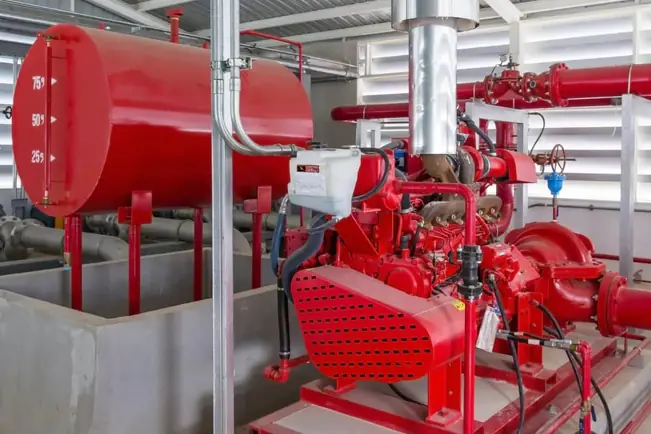
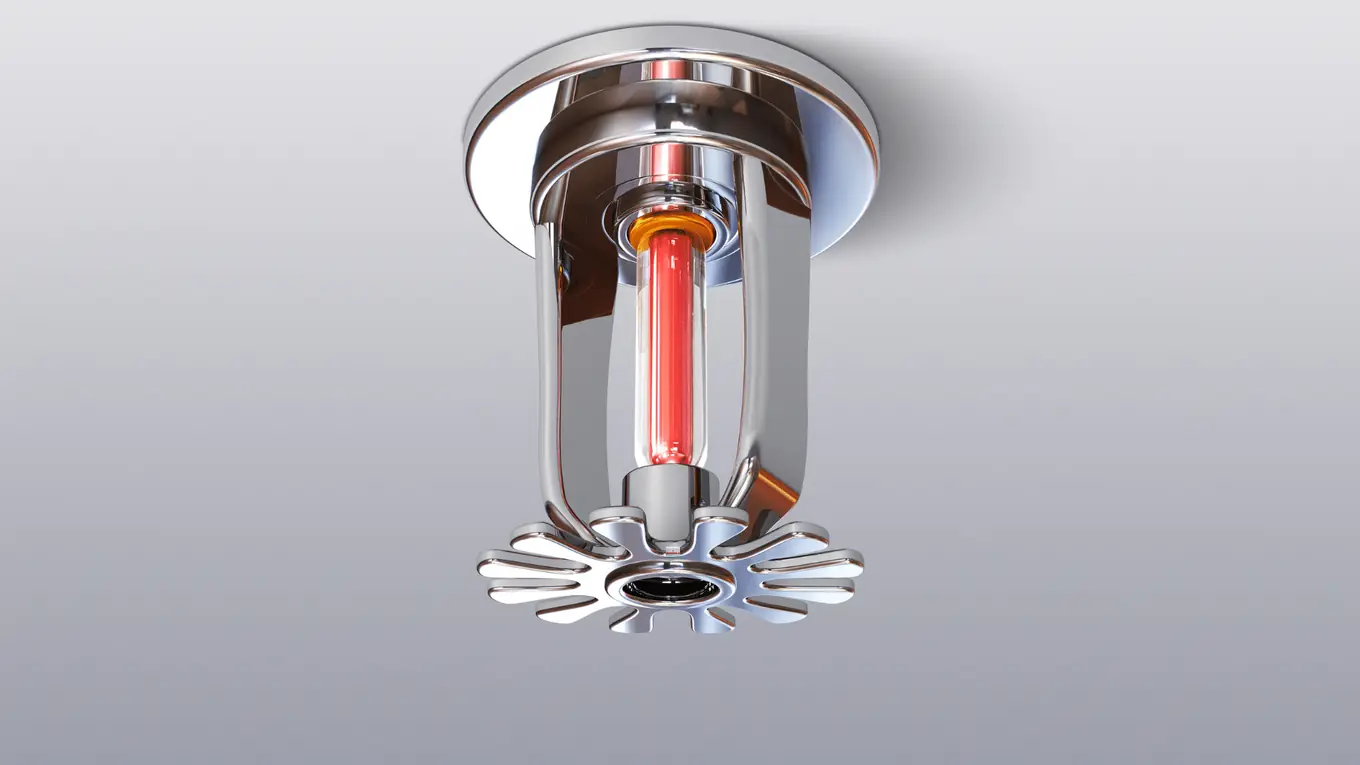
Water-based systems create a different kind of emergency planning challenge. NFPA 13 covers the design, installation, and acceptance testing of automatic sprinkler systems. NFPA 25 covers inspection, testing, and maintenance of water-based systems, including sprinkler systems, standpipes, fire pumps, and water storage tanks. When owners hear “sprinkler issue,” they often think only about sprinkler heads or a leaking branch line. In practice, the more serious operational problem may involve the riser, valve supervision, water supply, standpipe readiness, pump performance, or an unresolved deficiency identified during fire suppression system inspection Denver service.
Then there are related components that affect system reliability. A failed backflow assembly is not as visible as a drained riser, but backflow preventer testing Denver work matters because a water-based fire protection system depends on the integrity of its supply arrangement. Fire pump testing Colorado service is another example. A pump that does not perform correctly during testing may force the owner to make immediate decisions about occupancy, work restrictions, and repair priorities.
Portable extinguishers sit in a separate category. A missed extinguisher tag does not create the same building-wide impairment as a disabled alarm panel, but fire extinguisher service Denver records still matter during a broader emergency plan review. If a building is operating with an impaired fixed system, portable equipment condition becomes more important, not less.
Why emergency response planning has to be written before the outage happens
Most system outages are not discovered at a convenient time. A panel trouble condition shows up just before a holiday weekend. A contractor doing tenant improvement fire protection Denver work needs a shutdown window before new occupancy. A repair vendor finds a failed component during routine testing. A fire marshal inspection Colorado visit uncovers records that show a condition has been lingering longer than management realized.
The buildings that handle these moments well usually share one trait: they already decided who has authority to make operational calls.
Without that, everything slows down. Engineering waits for property management. Property management waits for ownership. Ownership asks the vendor for a recommendation. The vendor can explain the technical issue, but it is not the vendor’s job to decide whether tenants continue normal operations, whether portions of the building should be restricted, or whether additional precautions are needed while the impairment remains in place.
A written plan should assign decision-making authority and set thresholds for escalation. It should also make room for judgment. Real buildings rarely fit a perfect script. A downtown office tower, a medical office building, a mixed-use property, and a warehouse all face different practical constraints even when the technical impairment sounds similar.
The first hour matters most
When a life safety system is disabled, the first hour should be spent reducing uncertainty. Not every repair will be completed quickly, but building leadership should be able to answer a few basic questions right away: what system is affected, what area is affected, how long the condition may last, who has been notified, and what temporary protective steps are now in place.
A short response checklist helps here:
- Confirm the exact impairment with qualified fire protection personnel and determine whether it is partial or total.
- Notify the responsible internal decision-makers, tenants or occupants who are affected, and the AHJ when required by the local process or code situation.
- Restrict work or operations that increase risk while the system is impaired, especially anything that adds ignition sources.
- Start documenting the timeline, service calls, notifications, and corrective actions in real time.
- Set a restoration target and a communication schedule until the system is back in service.
That looks straightforward on paper, but each line contains judgment. “Confirm the exact impairment” sounds obvious, yet it is common for a night manager to report “the fire alarm is down” when the actual issue is a device loop or trouble condition isolated to one area. The opposite also happens. Staff assume it is a nuisance supervisory issue when the system is effectively unable to perform its intended function. The response plan should require confirmation from qualified service personnel as quickly as possible.
This is also where relationships matter. If you already have a provider handling emergency fire protection Colorado service, alarm maintenance, sprinkler inspections, and related system records, the odds of a calm and informed response go up. A contractor who knows the building can often identify whether the issue is tied to prior deficiencies, open permits, renovation work, or equipment age.
Repairs are only part of the job
One of the biggest planning mistakes I see is treating the emergency as “call the fire company and wait.” Service dispatch is essential, but it does not replace building management.
Occupants need practical instructions in plain language. If a fire alarm system is impaired, how will they receive emergency direction? If a water-based system is impaired in one zone, is access to that space changing? Will after-hours cleaning, maintenance, or tenant contractor work continue? Are leasing tours postponed? Is loading dock activity altered? The technical fix and the operational response have to move together.
This becomes even more important during construction and remodeling. Denver materials for tenant finish and alteration permits indicate that plumbing, fire suppression, and fire alarm permits can be part of tenant improvement work. Fire alarm and sprinkler-related work are tied to permit review and inspection during construction and remodeling as well. That means many impairments are not accidental failures at all, but planned interruptions connected to legal, reviewed work. Even then, the risk is real. A fire alarm panel upgrade Colorado project may be a major long-term improvement, but if portions of the system are offline during the work window, the building still needs an active emergency response plan for that period.
I once watched a fairly orderly office renovation become chaotic because nobody told the tenant’s IT contractor that the sprinkler work on the floor had shifted from a short shutdown to an all-day delay. The contractor brought in heat-producing equipment anyway. No fire occurred, but the near miss was enough. Good planning is often less about dramatic heroics and more about stopping a bad decision before it starts.
Records can save hours of confusion
In Denver and elsewhere, owners should keep inspection reports, deficiency notices, certification paperwork, and related records ready for review by the fire marshal or other AHJ. That advice sounds administrative until you need it during an active impairment.
When a technician arrives for emergency service, old reports can reveal whether the same valve tamper has been recurring for six months, whether a pump issue surfaced during the last round of fire pump testing Colorado work, or whether an unresolved recommendation from prior fire alarm system maintenance Denver service is now driving a larger failure. During an inspection or enforcement review, missing paperwork creates its own problem. It suggests the owner may not be tracking the condition of the system carefully enough.
The core record set should include:
- Recent inspection, testing, and maintenance reports for alarm, sprinkler, pump, suppression, and related systems.
- Deficiency and impairment notices, including what was found, when it was found, and whether it was corrected.
- Permits, approvals, and project documents tied to remodels, tenant finishes, and system modifications.
- Contact information for service providers, building decision-makers, and the applicable AHJ path for the property.
- Restoration documentation showing when the system returned to normal service and who verified it.
There is nothing glamorous about keeping that file current. Still, it is one of the easiest ways to improve emergency readiness. If you manage multiple sites, standardize the record visit website format across the portfolio. In an actual event, consistency reduces mistakes.
Matching the response to the impairment
Not every disabled system requires the same level of operational disruption. That is where experienced judgment comes in.
If a single tenant suite is under renovation and the impairment is tightly contained, the response may focus on the specific work area, permit conditions, and careful communication with trades. If a common alarm panel serving occupied floors is compromised, the consequences are broader. If a sprinkler control component affects a high-hazard storage space, the urgency may be greater than in a lower-risk office area, even if the square footage is smaller.
This is why blanket policies can backfire. I have seen owners adopt one rigid impairment procedure for every building and every system. It looked neat in a binder, but it ignored building use, occupancy pattern, after-hours staffing, and the difference between a daytime repair on a staffed campus and a weekend outage in a largely empty facility. Better plans establish minimum requirements while leaving room for property-specific direction.
For commercial fire sprinkler systems Colorado owners, this often means knowing exactly how the system is zoned and what areas are exposed when one part is taken out of service. For alarm systems, it means understanding whether the impairment affects detection, notification, communication, or all three.
How inspections and code compliance shape planning
Emergency response planning should not live apart from compliance work. In Denver, code review, permits, inspections, and system maintenance all overlap. Fire code compliance Denver is not just about passing an annual visit or keeping a binder on a shelf. It is about maintaining systems in a condition that allows safe operation and clear accountability when something goes wrong.
Routine work under NFPA 25 and NFPA 72 is part of that foundation. Inspection and testing are where many deficiencies first show up. Sometimes the finding is minor and easily corrected. Sometimes it reveals a deeper reliability issue. The best building teams treat those findings as advance notice, not paperwork to file away. A deficiency found during fire suppression system inspection Denver service is often your chance to prevent a future emergency impairment.
The same logic applies to modernization. An older panel that struggles with parts availability may still function today, but if your service provider has been warning that support is thinning out, it may be smarter to plan the fire alarm panel upgrade Colorado project on your timeline rather than wait for a failure to force it on someone else’s.
The tenant communication piece is often underplanned
Owners and managers usually think first about technicians, permits, and the fire marshal. Tenants often come second, and that is risky.
During a fire protection impairment, tenants need information that is specific enough to change behavior but simple enough to act on. “The building system is under repair” tells them almost nothing. A stronger notice explains what is affected, where, for how long if known, and whether any temporary operating restrictions apply. It should also tell them who to contact with urgent questions.
This is especially important in multi-tenant buildings where one suite’s project can affect shared systems. Tenant improvement fire protection Denver work may be fully permitted and properly managed, but neighboring occupants still need to know if a shutdown window affects their area. Clear communication prevents rumor, panic, and careless workarounds.
I have seen tenants prop open doors, disable local devices, or bring in space heaters and extension cords during already impaired conditions, usually not out of malice but because nobody explained the bigger picture. A friendly, direct message goes a long way.
Choosing service partners before the emergency
A building does not need a giant vendor roster, but it does need dependable support. If your team is scrambling to find sprinkler, alarm, and suppression help only after the impairment begins, the building has lost time it may not have.
A provider serving the Denver area, such as Pre Action Fire, Inc, may be part of an owner’s regular support network. Whatever company you use, the key is coordination. The people handling your fire alarm system maintenance Denver work should not be strangers to the people handling sprinkler or suppression inspections if both systems interact in your building’s emergency plan. Cross-system awareness helps. So does familiarity with the property’s permit history, prior deficiencies, and operational constraints.
That does not mean every service should be bundled under one contract. Sometimes specialized work is better handled by different firms. What matters is that the property team manages those relationships intentionally and knows who takes the lead when the building has an active impairment.
Restoring normal service is not the end of the story
When the system comes back online, there is a strong temptation to move on immediately. Resist that. Restoration should close the emergency, but it should also trigger a short internal review.
Did the team know who to call? Were records easy to find? Did tenants get good information? Did the impairment begin with a condition that had already been noted in prior testing? Was there a permit or renovation factor? Did the response line up with the building’s written plan, or did staff improvise around gaps?
Those questions are where better planning comes from. Most mature fire protection programs are built less by reading policy binders and more by learning from real events, small and large.
For Colorado owners and managers, the practical goal is not perfection. It is control. A disabled system is always serious, but it does not have to become disorderly. If you know your building, understand the applicable standards, respect the role of the AHJ, maintain records, and communicate clearly, you put yourself in a much stronger position when a system goes offline.
That is what emergency fire protection Colorado planning should do. Not just satisfy paperwork, but give people a workable path through a difficult hour.